Safaris

Camping at Lake Natron

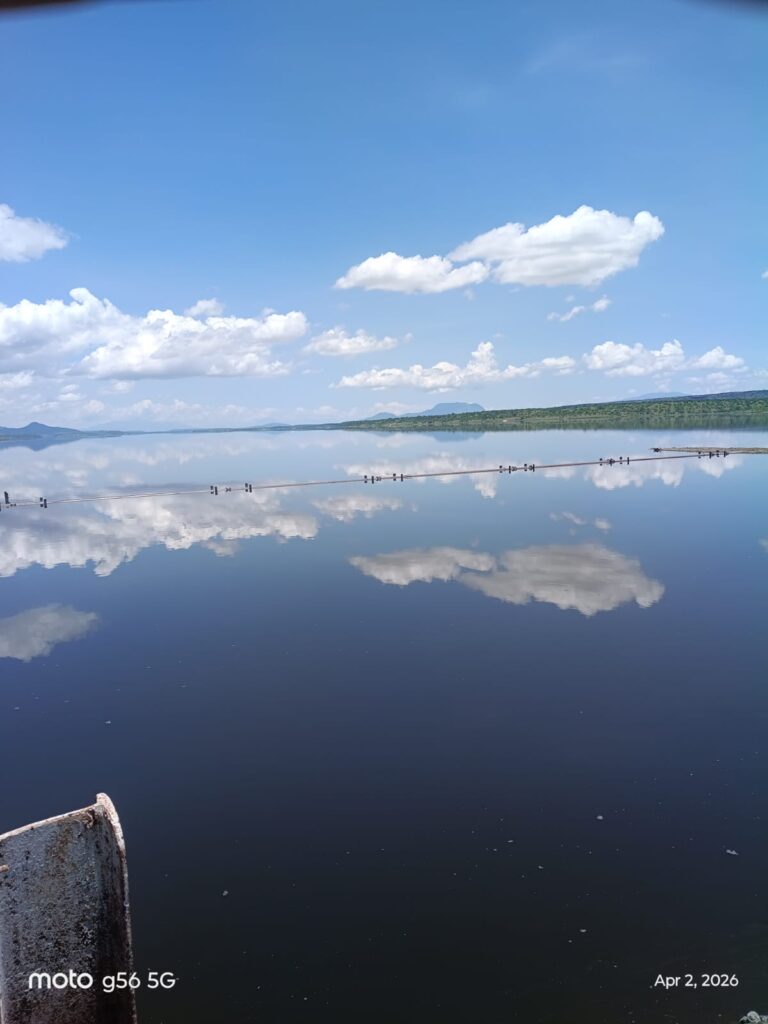
Lake Natron is one of East Africa’s most surreal and unforgettable camping destinations. Known for its crimson waters, dramatic landscapes, flamingo colonies, and remote wilderness, Lake Natron offers travelers an experience that feels both ancient and untouched. For adventurers seeking something beyond traditional safari tourism, camping at Lake Natron delivers raw beauty, silence, and a powerful connection to nature. A Landscape Unlike Anywhere Else Lake Natron lies in the eastern branch of the Great Rift Valley near the Kenyan border. Fed by mineral-rich hot springs and surrounded by volcanic terrain, the lake is famous for its striking red and orange hues caused by salt-loving microorganisms and algae. The surrounding scenery is equally dramatic. Towering over the lake is Ol Doinyo Lengai, an active volcano revered by the Maasai people as the “Mountain of God.” Vast plains, rocky escarpments, and shimmering heat mirages create an almost otherworldly atmosphere. Camping here feels less like a vacation and more like stepping into another planet. Why Camp at Lake Natron? 1. Incredible Natural Beauty The biggest attraction at Lake Natron is the sheer uniqueness of the environment. Sunrises paint the lake in glowing shades of pink, orange, and red, while evenings bring dramatic silhouettes of mountains against endless skies. At night, the remote location offers spectacular stargazing with little to no light pollution. Campfires under the African sky become one of the most memorable parts of the journey. 2. Flamingo Paradise Lake Natron is one of the most important breeding grounds for lesser flamingos in the world. Thousands of flamingos gather on the lake’s alkaline waters, creating breathtaking scenes of pink against the reflective surface. Birdwatchers and photographers find the area especially rewarding during breeding season when large flocks arrive in dramatic numbers. 3. Adventure and Exploration Camping at Lake Natron is perfect for travelers who enjoy outdoor adventure. Popular activities include: The terrain is rugged and remote, adding a sense of discovery to every excursion. The Camping Experience Campsites around Lake Natron range from basic wild camps to eco-camps operated by local communities and safari operators. Most sites blend naturally into the environment, offering simple but immersive accommodation close to nature. Visitors often wake to the sounds of birds, distant livestock bells, and wind sweeping across the Rift Valley plains. The atmosphere is peaceful, isolated, and deeply restorative. Because temperatures can become extremely hot during the day, many activities are planned for early mornings or late afternoons. Best Time to Visit The dry season from June to October is generally the best period for camping. Roads are easier to navigate, and hiking conditions are more manageable. However, the wet season can also be rewarding because the landscape becomes greener and waterfalls flow more strongly. Travelers should be prepared for high daytime temperatures throughout much of the year. What to Pack A successful camping trip to Lake Natron requires thoughtful preparation due to the harsh environment and remote location. Essentials include: Traveling with experienced guides is highly recommended, especially for volcano hikes and remote trails. Respecting the Environment Lake Natron is ecologically sensitive and culturally important to local Maasai communities. Responsible tourism helps preserve this extraordinary landscape. Campers should: Sustainable travel ensures the lake’s fragile ecosystem remains protected for future generations. Final Thoughts Camping at Lake Natron is an experience defined by extremes — extreme beauty, extreme isolation, and extreme adventure. From flamingo-covered shores and volcanic hikes to silent desert nights under endless stars, the region offers a rare glimpse into one of Africa’s most extraordinary natural landscapes. For travelers willing to leave comfort behind in exchange for authenticity and wonder, Lake Natron stands as one of East Africa’s greatest hidden treasures.

Camping at Lake Natron Read More »
Camping at the Nguruman Escarpment: Kenya’s Hidden Wilderness Retreat

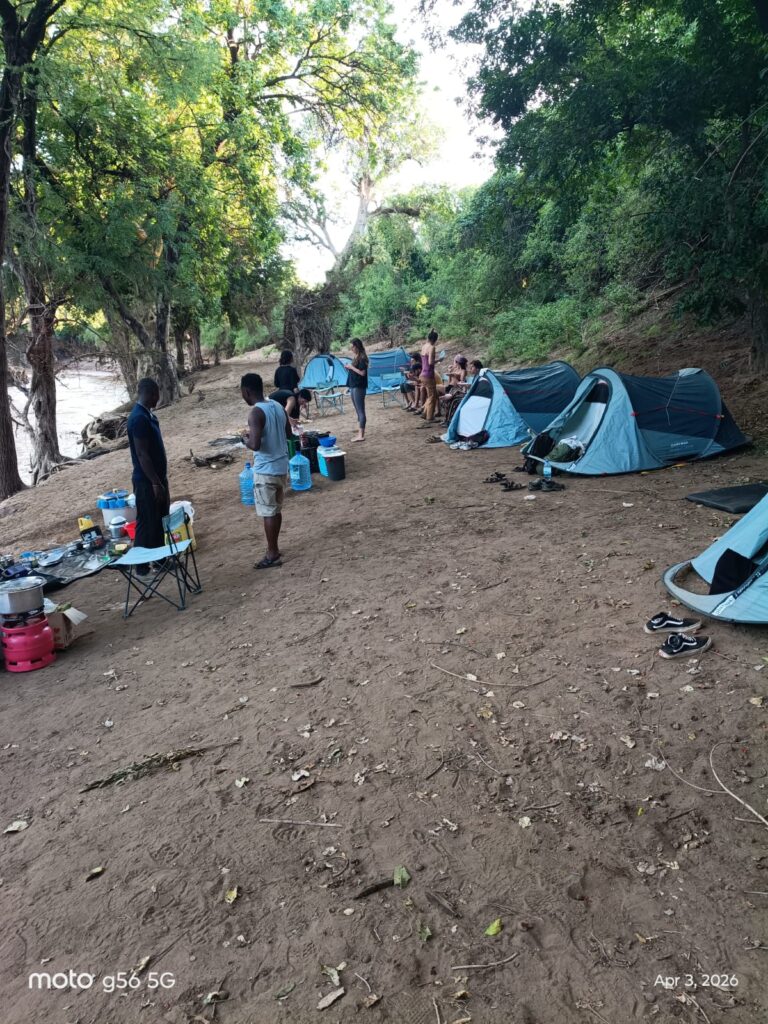
Tucked away in the southern reaches of Kenya’s Rift Valley, the Nguruman Escarpment rises dramatically above the plains like a giant green wall. Often overshadowed by Kenya’s famous safari destinations, this rugged landscape remains one of East Africa’s most rewarding camping destinations for travelers seeking solitude, adventure, and raw natural beauty. From sweeping valley views and hidden waterfalls to star-filled skies and encounters with Maasai culture, camping at the Nguruman Escarpment offers an unforgettable escape into the wild. A Landscape of Contrasts The Nguruman Escarpment forms part of the Great Rift Valley system and stretches across southwestern Kenya near the Tanzanian border. The terrain is strikingly diverse: dry savannah plains suddenly give way to lush forests, steep cliffs, rocky trails, and cool mountain streams. The escarpment overlooks the vast floor of the Rift Valley, offering panoramic views that become especially magical at sunrise and sunset. During the rainy season, the hills transform into vibrant green slopes, while the dry season reveals dramatic earth tones and dusty trails that seem to disappear into infinity. For campers, the scenery alone is worth the journey. Why Camp at Nguruman? Unlike crowded campsites near major parks, Nguruman offers a quieter and more intimate wilderness experience. Here, the rhythm of nature replaces the noise of urban life. 1. Spectacular Campsites Many camping spots along the escarpment are perched on ridges or near rivers, giving visitors incredible views and cool evening breezes. Some sites are fully wild and undeveloped, while others are linked to eco-lodges or community conservancies. At night, the sky becomes a dazzling canopy of stars untouched by city lights. Campfires crackle against the silence of the hills, creating the perfect atmosphere for storytelling and relaxation. 2. Hiking and Exploration The escarpment is a paradise for hikers and nature lovers. Trails weave through forests, rocky passes, and hidden valleys. One of the highlights is trekking to natural waterfalls and river pools where travelers can swim in refreshingly cold water after a long hike. Birdwatchers may spot eagles, hornbills, and colorful sunbirds, while lucky visitors might encounter zebras, baboons, antelope, or giraffes in nearby plains. 3. Cultural Encounters The region is home to Maasai communities whose traditions remain deeply connected to the land. Visitors often have opportunities to learn about local customs, livestock culture, beadwork, and traditional lifestyles. Responsible tourism initiatives in the area help support local livelihoods while preserving the environment and cultural heritage. Best Time to Visit The best months for camping are generally during the dry seasons: During these months, roads and hiking trails are more accessible, and camping conditions are more comfortable. The rainy seasons can make roads muddy and difficult, but they also bring dramatic greenery and flowing waterfalls. What to Pack Camping at Nguruman requires preparation, especially if you plan to stay at remote sites. Essential items include: Because some areas are remote, it is advisable to travel with a guide or in a group, particularly for first-time visitors. Sustainable Camping Practices The Nguruman ecosystem is fragile and largely untouched. Visitors should practice responsible camping by: Leaving minimal impact ensures the area remains pristine for future generations. Final Thoughts Camping at the Nguruman Escarpment is more than just an outdoor adventure — it is an immersion into one of Kenya’s most breathtaking and lesser-known landscapes. The combination of dramatic scenery, peaceful isolation, cultural richness, and outdoor exploration makes it a destination unlike any other. For travelers willing to venture beyond the typical tourist circuit, the Nguruman Escarpment rewards with authenticity, serenity, and the kind of wilderness experience that lingers long after the campfire burns out.

Camping at the Nguruman Escarpment: Kenya’s Hidden Wilderness Retreat Read More »

Safari at Lake Magadi: Exploring Kenya’s Wild and Untamed Landscape

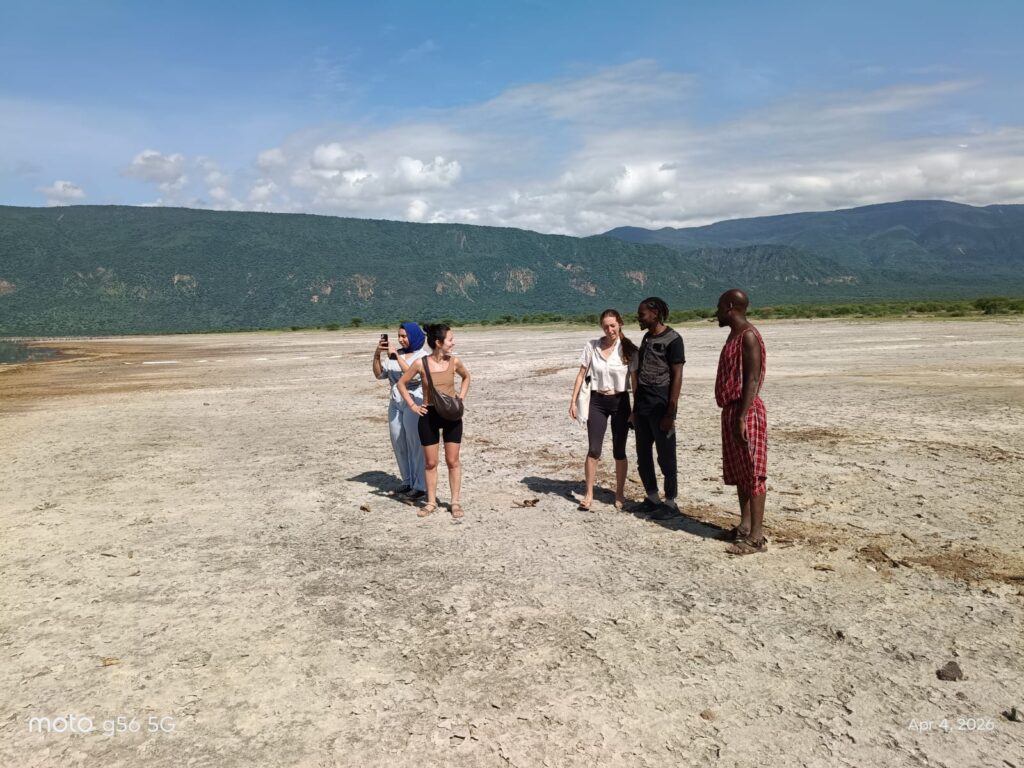
When travelers think of a Kenyan safari, images of lions roaming the plains of the Maasai Mara or elephants crossing open savannahs often come to mind. Yet beyond these famous destinations lies a lesser-known adventure that offers a different perspective of Kenya’s natural beauty: a safari at Lake Magadi. Located in southern Kenya within the dramatic landscapes of the Great Rift Valley, Lake Magadi presents visitors with a unique safari experience shaped by striking scenery, birdlife, and rugged wilderness. Unlike traditional safari destinations dominated by large game viewing, Lake Magadi offers an adventure centered around landscapes and ecological diversity. The lake itself is a vast alkaline body of water surrounded by volcanic hills, dry plains, and rocky terrain. From a distance, its shimmering surface often appears white due to mineral deposits, creating an almost otherworldly environment that feels vastly different from Kenya’s greener reserves. 7 One of the most remarkable attractions during a Lake Magadi safari is birdlife. The lake periodically hosts large populations of flamingos, whose pink colors create a stunning contrast against the white and red hues of the soda lake. Bird enthusiasts may also spot pelicans, storks, and various migratory species that use the Rift Valley as an important ecological corridor. For photographers, the area provides exceptional opportunities to capture dramatic natural scenes. The journey to Lake Magadi is itself part of the safari experience. Travelers descending through the Great Rift Valley encounter changing landscapes—from escarpments and open grasslands to dry desert-like terrain. Along the route, visitors may see zebras, antelope species, baboons, and other wildlife inhabiting surrounding areas. Although the region does not offer the concentrated big-game encounters found in major national parks, its sense of remoteness and discovery appeals strongly to adventurous travelers. Many safari experiences around Lake Magadi extend beyond wildlife viewing. Guided excursions often include visits to natural hot springs where warm mineral-rich waters emerge from beneath the earth. These springs provide travelers with a chance to relax while appreciating the dramatic surroundings. Nearby cultural encounters with local communities also add depth to the safari, allowing visitors to learn about traditional lifestyles and the region’s long history. The landscapes around Lake Magadi continually shift in appearance depending on weather and seasons. During certain periods, water levels transform sections of the lake, creating vivid colors and reflective surfaces that enhance its beauty. Sunrise and sunset are particularly memorable moments, as golden light spreads across the plains and volcanic hills. Because of the area’s hot and dry climate, preparation is essential for visitors. Carrying sufficient drinking water, wearing lightweight clothing, and planning activities during cooler morning or evening hours can make the safari more comfortable. For travelers seeking an alternative to Kenya’s classic safari routes, Lake Magadi offers something refreshingly different. It is not a destination defined solely by the search for the “Big Five,” but by dramatic landscapes, birdlife, culture, and a feeling of venturing into one of the country’s hidden corners. A safari at Lake Magadi reminds visitors that Kenya’s natural treasures extend far beyond its famous parks. In this remote and fascinating landscape, adventure is found not only in wildlife sightings but also in the journey through one of East Africa’s most extraordinary environments.

Safari at Lake Magadi: Exploring Kenya’s Wild and Untamed Landscape Read More »

Biking at Lake Magadi: Cycling Through Kenya’s Extraordinary Landscape

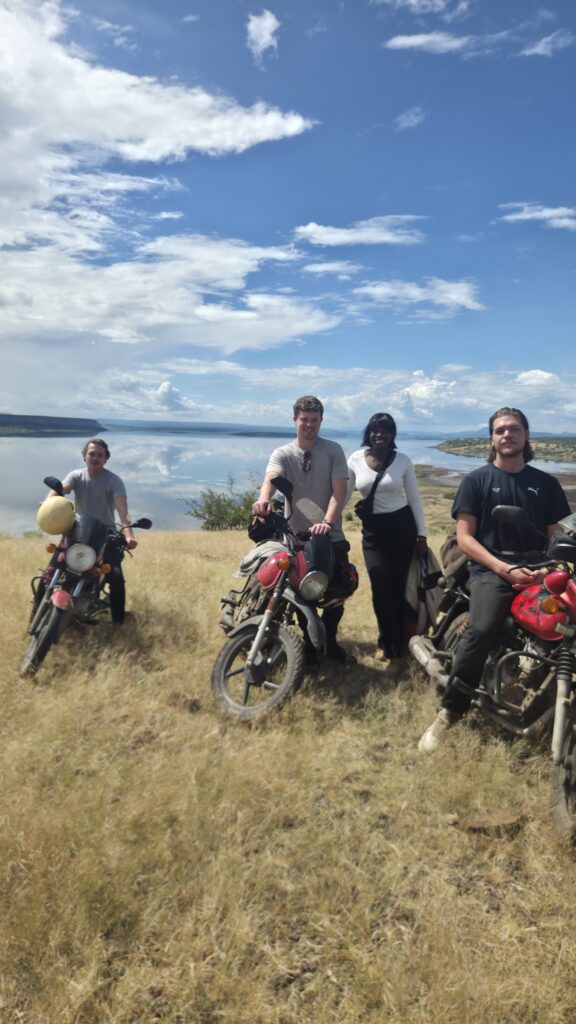
Adventure travelers searching for a unique cycling experience in Kenya are increasingly discovering the dramatic beauty of Lake Magadi. Located in southern Kenya near the border with Tanzania, this striking soda lake is known for its shimmering landscapes, volcanic terrain, and vast open spaces. While many tourists visit the area for sightseeing and photography, biking around Lake Magadi has become an exciting way to explore one of Kenya’s most unusual environments. Unlike traditional cycling routes through forests or urban trails, biking at Lake Magadi offers riders an experience shaped by rugged terrain and spectacular scenery. The journey itself begins long before reaching the lake. The route from Nairobi descends through the dramatic escarpments of the Great Rift Valley before opening into dry plains and expansive horizons. Cyclists are rewarded with changing landscapes that create a sense of adventure at every turn. The roads and trails around Lake Magadi range from dusty paths to rocky tracks, making mountain bikes and gravel bikes the preferred choice for visitors. Riders often travel through remote areas where acacia trees dot the landscape and distant hills frame the horizon. The terrain can be challenging, especially during hot weather, but many cyclists find that the physical effort adds to the excitement of the journey. 7 One of the most fascinating aspects of biking around Lake Magadi is the visual contrast of the environment. Depending on the season and water conditions, parts of the lake appear white due to mineral deposits, while other sections take on shades of pink and red. The lake is also famous for attracting flamingos and other bird species, giving cyclists occasional opportunities to stop and enjoy wildlife encounters. Many adventure tours combine cycling with visits to nearby natural attractions. A popular stop is the natural hot springs around the area, where riders can relax after long hours on the trail. These warm pools, surrounded by rocky landscapes, provide a refreshing break and an opportunity to appreciate the region’s geothermal features. Cycling in Lake Magadi also introduces travelers to local communities and culture. Visitors often pass through villages where interactions with residents offer insight into life in Kenya’s southern regions. These encounters add a human dimension to the trip, transforming a simple bike ride into a broader travel experience. However, biking in this environment requires preparation. Temperatures can rise significantly during the day, and shade is limited across many sections of the route. Carrying sufficient water, sun protection, navigation tools, and emergency supplies is essential. Morning rides are often recommended to avoid the intense afternoon heat. For cyclists looking beyond ordinary trails, Lake Magadi delivers something unforgettable. It is a destination where every kilometer reveals unusual landscapes and where the journey feels as rewarding as the destination itself. As adventure tourism continues to grow in Kenya, Lake Magadi is emerging as a hidden gem for travelers who want to experience the country from the seat of a bicycle. Between its dramatic scenery, challenging terrain, and sense of remoteness, biking at Lake Magadi offers a ride unlike any other.

Biking at Lake Magadi: Cycling Through Kenya’s Extraordinary Landscape Read More »