
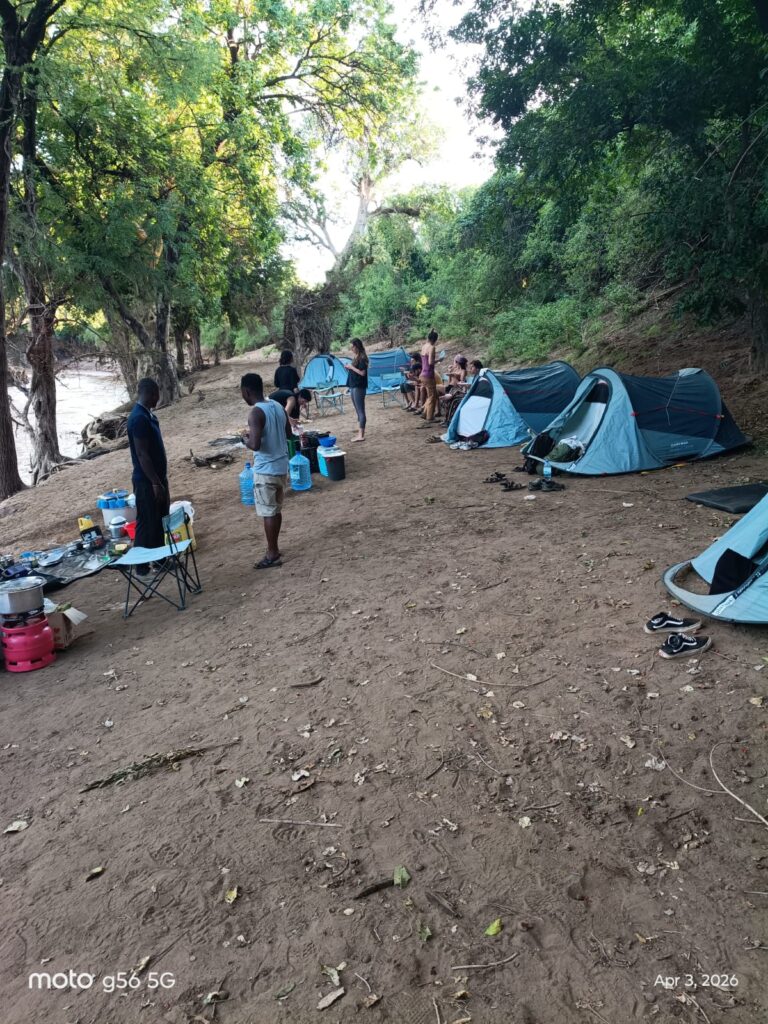
Camping at the Nguruman Escarpment: Kenya’s Hidden Wilderness Retreat
Tucked away in the southern reaches of Kenya’s Rift Valley, the Nguruman Escarpment rises dramatically above the plains like a giant green wall. Often overshadowed by Kenya’s famous safari destinations, this rugged landscape remains one of East Africa’s most rewarding camping destinations for travelers seeking solitude, adventure, and raw natural beauty. From sweeping valley views and hidden waterfalls to star-filled skies and encounters with Maasai culture, camping at the Nguruman Escarpment offers an unforgettable escape into the wild. A Landscape of Contrasts The Nguruman Escarpment forms part of the Great Rift Valley system and stretches across southwestern Kenya near the Tanzanian border. The terrain is strikingly diverse: dry savannah plains suddenly give way to lush forests, steep cliffs, rocky trails, and cool mountain streams. The escarpment overlooks the vast floor of the Rift Valley, offering panoramic views that become especially magical at sunrise and sunset. During the rainy season, the hills transform into vibrant green slopes, while the dry season reveals dramatic earth tones and dusty trails that seem to disappear into infinity. For campers, the scenery alone is worth the journey. Why Camp at Nguruman? Unlike crowded campsites near major parks, Nguruman offers a quieter and more intimate wilderness experience. Here, the rhythm of nature replaces the noise of urban life. 1. Spectacular Campsites Many camping spots along the escarpment are perched on ridges or near rivers, giving visitors incredible views and cool evening breezes. Some sites are fully wild and undeveloped, while others are linked to eco-lodges or community conservancies. At night, the sky becomes a dazzling canopy of stars untouched by city lights. Campfires crackle against the silence of the hills, creating the perfect atmosphere for storytelling and relaxation. 2. Hiking and Exploration The escarpment is a paradise for hikers and nature lovers. Trails weave through forests, rocky passes, and hidden valleys. One of the highlights is trekking to natural waterfalls and river pools where travelers can swim in refreshingly cold water after a long hike. Birdwatchers may spot eagles, hornbills, and colorful sunbirds, while lucky visitors might encounter zebras, baboons, antelope, or giraffes in nearby plains. 3. Cultural Encounters The region is home to Maasai communities whose traditions remain deeply connected to the land. Visitors often have opportunities to learn about local customs, livestock culture, beadwork, and traditional lifestyles. Responsible tourism initiatives in the area help support local livelihoods while preserving the environment and cultural heritage. Best Time to Visit The best months for camping are generally during the dry seasons: During these months, roads and hiking trails are more accessible, and camping conditions are more comfortable. The rainy seasons can make roads muddy and difficult, but they also bring dramatic greenery and flowing waterfalls. What to Pack Camping at Nguruman requires preparation, especially if you plan to stay at remote sites. Essential items include: Because some areas are remote, it is advisable to travel with a guide or in a group, particularly for first-time visitors. Sustainable Camping Practices The Nguruman ecosystem is fragile and largely untouched. Visitors should practice responsible camping by: Leaving minimal impact ensures the area remains pristine for future generations. Final Thoughts Camping at the Nguruman Escarpment is more than just an outdoor adventure — it is an immersion into one of Kenya’s most breathtaking and lesser-known landscapes. The combination of dramatic scenery, peaceful isolation, cultural richness, and outdoor exploration makes it a destination unlike any other. For travelers willing to venture beyond the typical tourist circuit, the Nguruman Escarpment rewards with authenticity, serenity, and the kind of wilderness experience that lingers long after the campfire burns out.
Camping at the Nguruman Escarpment: Kenya’s Hidden Wilderness Retreat Read More »