
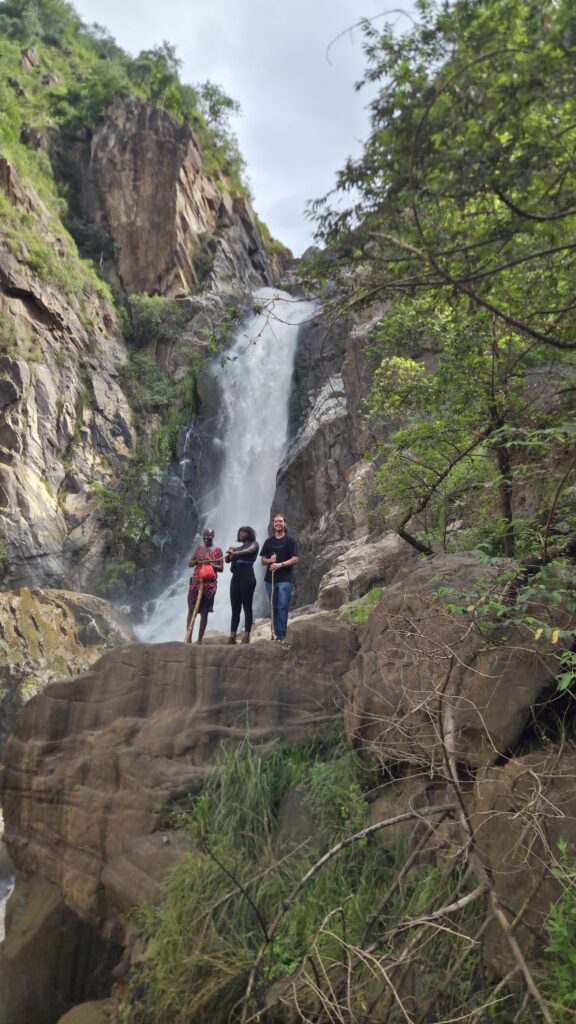
Hiking the Loita Hills: Kenya’s Hidden Adventure for Curious Travelers
Far from the safari traffic of Kenya’s famous reserves lies a quieter and more intimate wilderness: the Loita Hills. Tucked in southern Kenya near the edge of Maasai country, these rolling highlands offer tourists something increasingly rare in modern travel—an experience that feels untouched, authentic, and deeply connected to local culture. For travelers seeking more than game drives and beach resorts, hiking in Loita Hills opens a door into a world of ancient forests, open plains, and centuries-old traditions. The region sits southeast of the Maasai Mara and remains one of Kenya’s lesser-known trekking destinations. Unlike heavily traveled mountain routes, Loita offers long stretches where hikers may walk for hours without seeing roads, fences, or signs of urban development. The terrain moves through indigenous forest, ridges, valleys, and pastoral landscapes. Travelers often describe the area as wild and remarkably peaceful. One of the most memorable features of hiking in Loita Hills is the famous Loita Forest, sometimes called one of Kenya’s last remaining indigenous forests. The dense woodland contains giant trees, streams, birds, and medicinal plants that local communities have used for generations. Guided walks through the forest are often slow and immersive, allowing visitors to observe both nature and traditional knowledge. Yet Loita is not simply a destination for scenery—it is also a cultural journey through Maasai land. The area is home to communities that continue to preserve many traditional practices. Tourists frequently hike alongside local Maasai guides who share stories about the land, identify wildlife tracks, explain plants, and introduce visitors to village life. Cultural interaction is often considered one of the defining aspects of the trek. Many trails vary in length and difficulty. Some visitors choose shorter day hikes around the Maji Moto area, where rocky landscapes and hot springs create easier routes for beginners. Others embark on multi-day treks crossing forests and escarpments, camping in villages and remote camps along the way. Multi-day hikes commonly range from three to five days depending on the route selected. 8 The landscape itself changes constantly. Hikers move through green forest paths, cross streams, climb ridges, and emerge onto viewpoints overlooking the Great Rift Valley. In some sections, wildlife tracks reveal that elephants and other animals use these routes as movement corridors. While sightings are never guaranteed, the sense of sharing space with wild nature adds excitement to the experience. For international tourists, Loita Hills offers an alternative vision of Kenya. Rather than observing nature from a safari vehicle, visitors become part of the landscape itself. The slower pace encourages conversations with local people, appreciation of traditional lifestyles, and a stronger connection to the environment. As travelers increasingly search for meaningful and sustainable experiences, the Loita Hills stand out as one of East Africa’s hidden treasures—a place where adventure is measured not only in kilometers walked, but in stories shared and cultures encountered. For those willing to lace up their boots and step off the traditional tourist path, Loita Hills may become one of Kenya’s most unforgettable journeys.
Hiking the Loita Hills: Kenya’s Hidden Adventure for Curious Travelers Read More »