
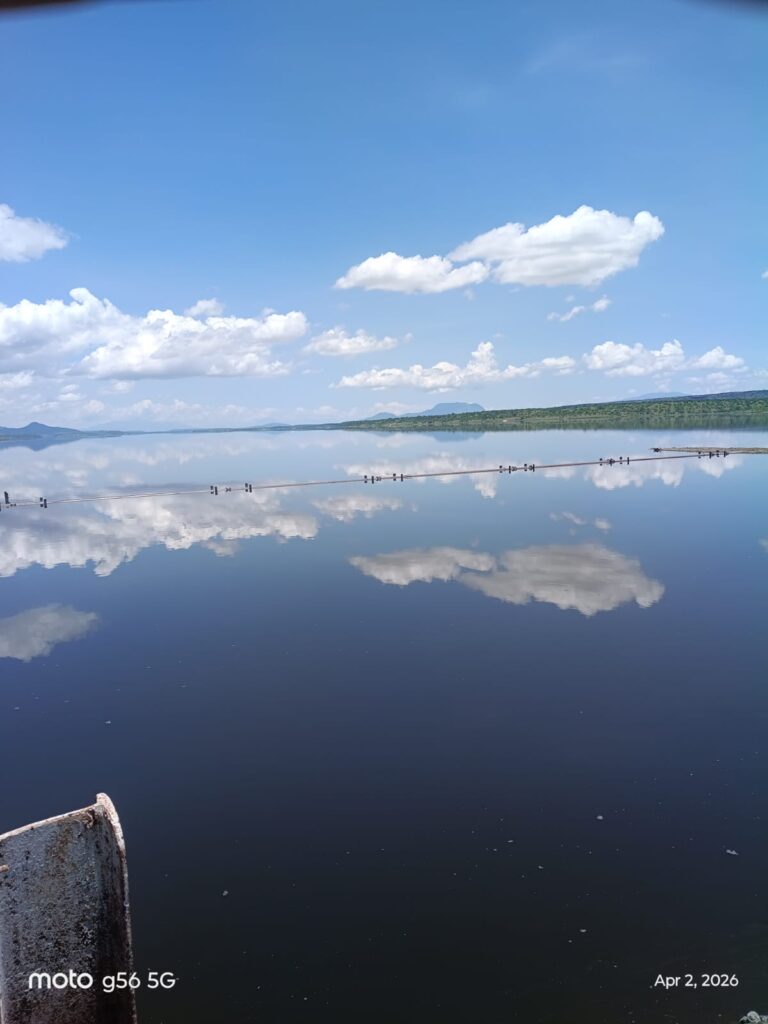
When travelers think of a Kenyan safari, images of lions roaming the plains of the Maasai Mara or elephants crossing open savannahs often come to mind. Yet beyond these famous destinations lies a lesser-known adventure that offers a different perspective of Kenya’s natural beauty: a safari at Lake Magadi. Located in southern Kenya within the dramatic landscapes of the Great Rift Valley, Lake Magadi presents visitors with a unique safari experience shaped by striking scenery, birdlife, and rugged wilderness.
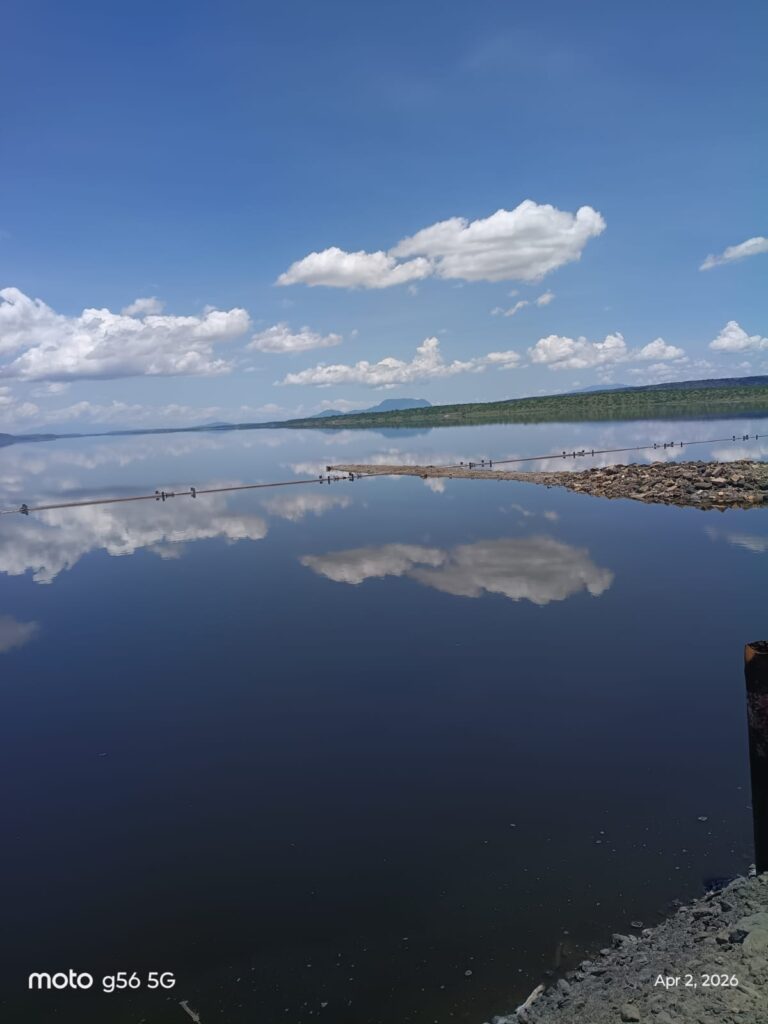
Unlike traditional safari destinations dominated by large game viewing, Lake Magadi offers an adventure centered around landscapes and ecological diversity. The lake itself is a vast alkaline body of water surrounded by volcanic hills, dry plains, and rocky terrain. From a distance, its shimmering surface often appears white due to mineral deposits, creating an almost otherworldly environment that feels vastly different from Kenya’s greener reserves.
7
One of the most remarkable attractions during a Lake Magadi safari is birdlife. The lake periodically hosts large populations of flamingos, whose pink colors create a stunning contrast against the white and red hues of the soda lake. Bird enthusiasts may also spot pelicans, storks, and various migratory species that use the Rift Valley as an important ecological corridor. For photographers, the area provides exceptional opportunities to capture dramatic natural scenes.
The journey to Lake Magadi is itself part of the safari experience. Travelers descending through the Great Rift Valley encounter changing landscapes—from escarpments and open grasslands to dry desert-like terrain. Along the route, visitors may see zebras, antelope species, baboons, and other wildlife inhabiting surrounding areas. Although the region does not offer the concentrated big-game encounters found in major national parks, its sense of remoteness and discovery appeals strongly to adventurous travelers.
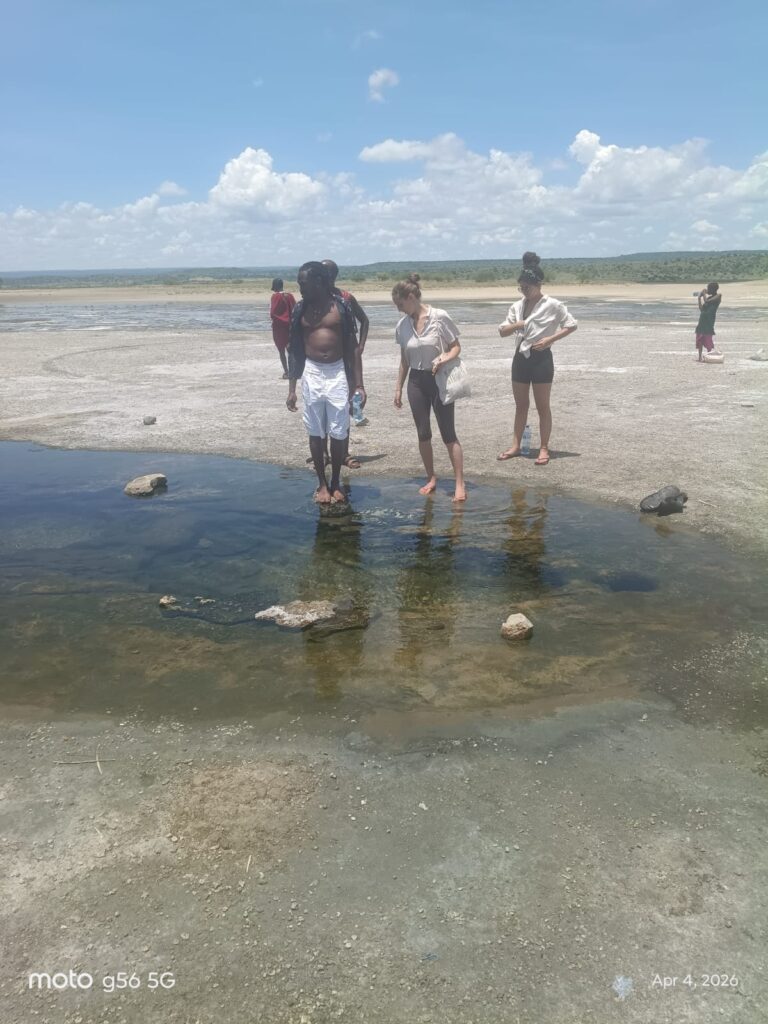
Many safari experiences around Lake Magadi extend beyond wildlife viewing. Guided excursions often include visits to natural hot springs where warm mineral-rich waters emerge from beneath the earth. These springs provide travelers with a chance to relax while appreciating the dramatic surroundings. Nearby cultural encounters with local communities also add depth to the safari, allowing visitors to learn about traditional lifestyles and the region’s long history.
The landscapes around Lake Magadi continually shift in appearance depending on weather and seasons. During certain periods, water levels transform sections of the lake, creating vivid colors and reflective surfaces that enhance its beauty. Sunrise and sunset are particularly memorable moments, as golden light spreads across the plains and volcanic hills.
Because of the area’s hot and dry climate, preparation is essential for visitors. Carrying sufficient drinking water, wearing lightweight clothing, and planning activities during cooler morning or evening hours can make the safari more comfortable.
For travelers seeking an alternative to Kenya’s classic safari routes, Lake Magadi offers something refreshingly different. It is not a destination defined solely by the search for the “Big Five,” but by dramatic landscapes, birdlife, culture, and a feeling of venturing into one of the country’s hidden corners.
A safari at Lake Magadi reminds visitors that Kenya’s natural treasures extend far beyond its famous parks. In this remote and fascinating landscape, adventure is found not only in wildlife sightings but also in the journey through one of East Africa’s most extraordinary environments.