
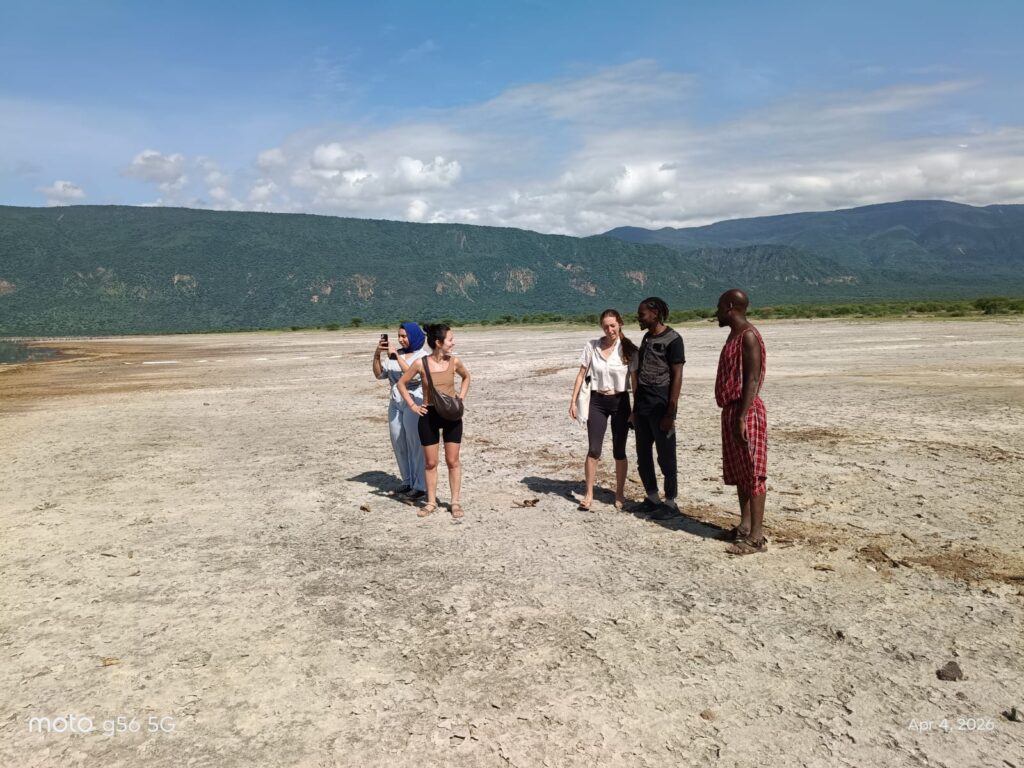
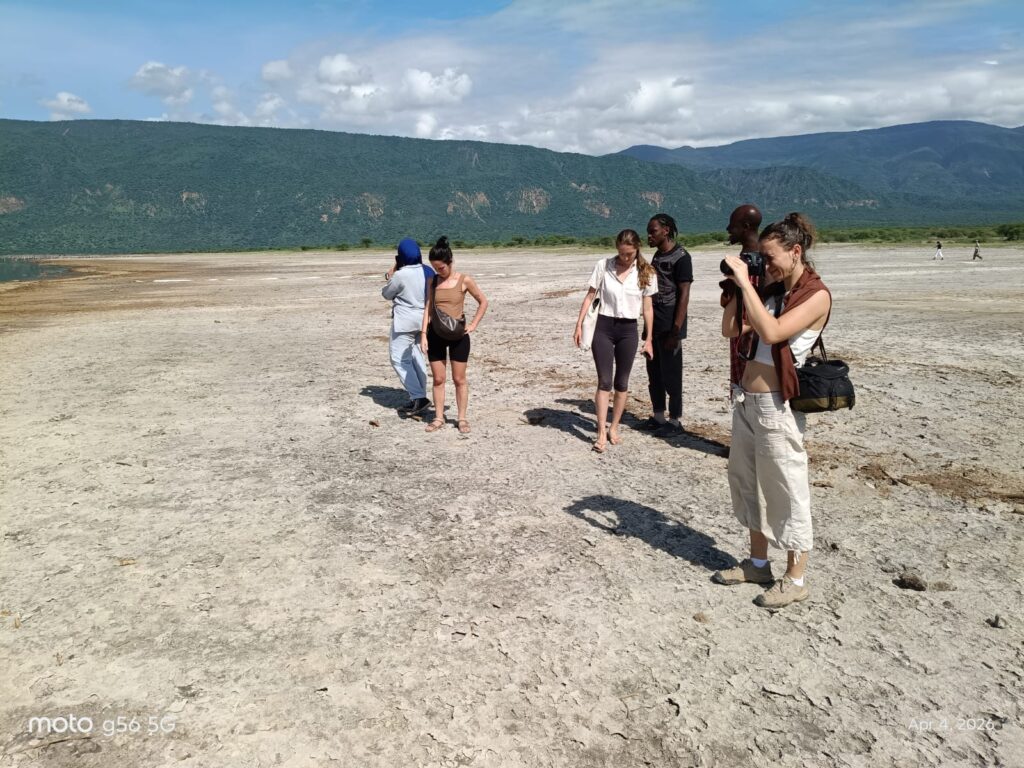
Lake Natron is one of East Africa’s most surreal and unforgettable camping destinations. Known for its crimson waters, dramatic landscapes, flamingo colonies, and remote wilderness, Lake Natron offers travelers an experience that feels both ancient and untouched.
For adventurers seeking something beyond traditional safari tourism, camping at Lake Natron delivers raw beauty, silence, and a powerful connection to nature.
A Landscape Unlike Anywhere Else
Lake Natron lies in the eastern branch of the Great Rift Valley near the Kenyan border. Fed by mineral-rich hot springs and surrounded by volcanic terrain, the lake is famous for its striking red and orange hues caused by salt-loving microorganisms and algae.
The surrounding scenery is equally dramatic. Towering over the lake is Ol Doinyo Lengai, an active volcano revered by the Maasai people as the “Mountain of God.” Vast plains, rocky escarpments, and shimmering heat mirages create an almost otherworldly atmosphere.
Camping here feels less like a vacation and more like stepping into another planet.
Why Camp at Lake Natron?
1. Incredible Natural Beauty
The biggest attraction at Lake Natron is the sheer uniqueness of the environment. Sunrises paint the lake in glowing shades of pink, orange, and red, while evenings bring dramatic silhouettes of mountains against endless skies.
At night, the remote location offers spectacular stargazing with little to no light pollution. Campfires under the African sky become one of the most memorable parts of the journey.
2. Flamingo Paradise
Lake Natron is one of the most important breeding grounds for lesser flamingos in the world. Thousands of flamingos gather on the lake’s alkaline waters, creating breathtaking scenes of pink against the reflective surface.
Birdwatchers and photographers find the area especially rewarding during breeding season when large flocks arrive in dramatic numbers.
3. Adventure and Exploration
Camping at Lake Natron is perfect for travelers who enjoy outdoor adventure. Popular activities include:
- Hiking to nearby waterfalls hidden within narrow gorges
- Climbing Ol Doinyo Lengai for sunrise views
- Exploring hot springs and mineral pools
- Guided cultural visits to Maasai villages
- Walking along the lake’s edge to observe wildlife and volcanic formations
The terrain is rugged and remote, adding a sense of discovery to every excursion.
The Camping Experience
Campsites around Lake Natron range from basic wild camps to eco-camps operated by local communities and safari operators. Most sites blend naturally into the environment, offering simple but immersive accommodation close to nature.
Visitors often wake to the sounds of birds, distant livestock bells, and wind sweeping across the Rift Valley plains. The atmosphere is peaceful, isolated, and deeply restorative.
Because temperatures can become extremely hot during the day, many activities are planned for early mornings or late afternoons.
Best Time to Visit
The dry season from June to October is generally the best period for camping. Roads are easier to navigate, and hiking conditions are more manageable.
However, the wet season can also be rewarding because the landscape becomes greener and waterfalls flow more strongly.
Travelers should be prepared for high daytime temperatures throughout much of the year.
What to Pack
A successful camping trip to Lake Natron requires thoughtful preparation due to the harsh environment and remote location.
Essentials include:
- Lightweight but durable camping gear
- Plenty of drinking water
- Sun protection and a wide-brimmed hat
- Hiking shoes or sandals suitable for rocky terrain
- Electrolyte supplements
- Insect repellent
- A flashlight or headlamp
- Lightweight clothing for heat and warm layers for cooler nights
Traveling with experienced guides is highly recommended, especially for volcano hikes and remote trails.
Respecting the Environment
Lake Natron is ecologically sensitive and culturally important to local Maasai communities. Responsible tourism helps preserve this extraordinary landscape.
Campers should:
- Avoid disturbing flamingo nesting areas
- Carry out all waste
- Use water responsibly
- Respect Maasai customs and traditions
- Stick to established trails and campsites
Sustainable travel ensures the lake’s fragile ecosystem remains protected for future generations.
Final Thoughts
Camping at Lake Natron is an experience defined by extremes — extreme beauty, extreme isolation, and extreme adventure. From flamingo-covered shores and volcanic hikes to silent desert nights under endless stars, the region offers a rare glimpse into one of Africa’s most extraordinary natural landscapes.
For travelers willing to leave comfort behind in exchange for authenticity and wonder, Lake Natron stands as one of East Africa’s greatest hidden treasures.